
That’s mainly because our bodies gain fat and lose muscle in our senior years and it takes longer for us to break down alcohol and get it alcohol makes you age faster out of our system. Our content is fact checked by our senior editorial staff to reflect accuracy and ensure our readers get sound information and advice to make the smartest, healthiest choices. Hou adds, “We can’t change our DNA, but then we can change the function of our DNA by adding different chemicals to it. Get helpful tips and guidance for everything from fighting inflammation to finding the best diets for weight loss…from exercises to build a stronger core to advice on treating cataracts. PLUS, the latest news on medical advances and breakthroughs from Harvard Medical School experts. To learn more about addiction diagnosis and treatment methods, read Overcoming Addiction, a Special Health Report from Harvard Medical School.
- It used to be thought that moderate alcohol consumption confers health benefits, but experts now recognize that regularly imbibing can have a variety of harmful health consequences.
- Mixing alcohol with opioids or benzodiazepines like diazepam (Valium) is one potentially deadly combination.
- There is a point though at which a person’s alcohol tolerance will actually begin to go down.
- It’s when your body looks older than your actual age,” says the Cleveland Clinic.
- Essentially, you want to keep your telomeres as long as possible for, well, as long as possible – shorter telomere lengths have been linked to age-related diseases like Alzheimer’s, cancer and coronary artery disease.
- And the old trick of alternating drinks with something nonalcoholic can help you pace yourself, he adds.
Subtle Signs You’re Eating Too Much Sugar Every Day

Feeling better inside almost always means looking better on the outside. Drinking while taking medications across a host of drug classes also can cause serious side effects in older adults, especially drugs with sedative effects. An array of over-the-counter medications can interact poorly with alcohol. These include aspirin, sleeping pills, heart drugs, acetaminophen (Tylenol, others), allergy medication, pain medication, and anxiety or depression medicine.
Health & Wellness Tips
AARP is a nonprofit, nonpartisan organization that empowers people to choose how they live as they age. At Ria, we offer weekly meetings with certified counselors to help members stay on track and build skills for long-term change. Your trusted resource for health and wellness information and the latest medical advances to help you and your family live better.
Can biological age be reversed?
Aging is a natural process, but what if you’re aging faster than you should be? Common lifestyle factors and behaviors can speed up aging, both on the inside and outside. Premature aging is when the typical effects of growing older happen early. It’s when your body looks older than your actual age,” says the Cleveland Clinic. The decline in the body’s water content is significant because “alcohol is a water-soluble substance,” says Alison Moore, director of the Stein Institute for Research on Aging and the UC San Diego Center for Healthy Aging.
It can also age you prematurely, making you look, feel, and act older than you actually are. More importantly, alcohol can age your body quicker than it should. This can result in the increased chances of serious medical conditions developing or minor ailments becoming major ones. If you’re someone that is a heavy drinker, chances are you have begun noticing changes to your body over time. For example, you may notice unexplained weight gain or changes in your skin.

This is a negative thing because men are supposed to carry more weight in their bellies while women are supposed to carry more weight around their hips and thighs. We offer the most up-to-date information from top experts, new research, and health agencies, but our content is not meant to be a substitute for professional guidance. When it comes to the medication you’re taking or any other health questions you have, always consult your healthcare provider directly. It’s normal for hair to turn gray and become thinner as we age, but stress can make the process happen earlier.
This Week’s Top 5
For example, you can exercise and adhere to a well-balanced diet. Broken bones from a stumble are a serious health issue for seniors. It’s because alcohol can affect your balance and sense of judgment. Over time, it also can damage the cerebellum, the area in your brain that handles balance and coordination.
- Your trusted resource for health and wellness information and the latest medical advances to help you and your family live better.
- In 2017, she completed a DPhil in Psychiatry based on the MRC-funded study “Predicting MRI abnormalities with longitudinal data of the Whitehall II Substudy”.
- The risk of earlobe creases indicating aging was similarly 26%-36% higher among heavy drinkers than among light-to-moderate drinkers.
- Considering the mounting evidence of harmful effects of alcohol use, and the fact that many individuals stop drinking as they age, the effect of light to moderate drinking on epigenetic aging needs to be interpreted cautiously.
- Instead of lulling you into a restful night, alcohol can actually keep you from getting to sleep and lead to restless slumber.
- The study, published in Alcoholism Clinical and Experimental Research, utilized five different epigenetic clocks, a measure of an individual’s biological age, and examined the effects of varying levels of alcohol consumption on biological age.
- Many addiction treatment programs, support groups, and 12 step programs provide the tools needed in order to be successful after detox.
- It also affects the healthy functioning of your digestive system, making it harder for you to absorb essential nutrients.
- It examined whether cumulative alcohol consumption — the number of years a person consumes beer, liquor, wine and total alcohol — as well as recent binge drinking were related to aging.
- These include aspirin, sleeping pills, heart drugs, acetaminophen (Tylenol, others), allergy medication, pain medication, and anxiety or depression medicine.
Alcohol consumption has previously been linked to the development of many diseases, including hypertension, cancer and liver disease, and previous work has explored its association with biological aging. However, research examining the impact of alcohol consumption over a long period of time, as well as binge drinking (more than five drinks in one setting) on biological aging has been limited. Meanwhile, the chances of developing many chronic diseases increase as people get older, and alcohol consumption can amplify some of these risks. Regular alcohol consumption is a major risk factor for liver disease and head and neck cancer, and chronic alcohol use has been linked with an acceleration of age-related cognitive decline and brain atrophy.
Comprehensive Guide to Lymph Node Removal for Breast Cancer

Sign up to get tips for living a healthy lifestyle, with ways to fight inflammation and improve cognitive health, plus the latest advances in preventative medicine, diet and exercise, pain relief, blood pressure and cholesterol management, and more. Although alcohol might make you feel more relaxed in the moment, in the long run it can increase anxiety and depression, feeding into a negative cycle. Overall, the less you drink, the more energetic and youthful you will feel.
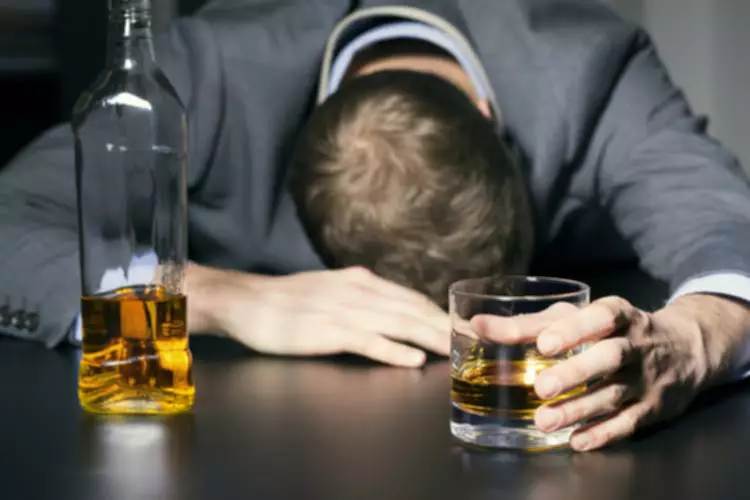
Alcohol Consumption Changes the Aging Clock
Anya Topiwala qualified in medicine from the University of Oxford and subsequently pursued specialist training in older adult psychiatry. In 2017, she completed a DPhil in Psychiatry based on the MRC-funded study “Predicting MRI abnormalities with longitudinal data of the Whitehall II Substudy”. In 2019, Topiwala was awarded a Wellcome Trust Clinical Research Career Development Fellowship to investigate the effect of mechanistic pathways through which alcohol consumption impacts brain health. Using huge databases, which contain lifestyle and clinical data on millions of people in the UK and US, and the largest brain imaging and genetic samples worldwide, her work aims to clarify how alcohol affects brain structure and function. It all seems to be harmful and, again, the more you drink, the worse it is,” Topiwala concludes. “In the past, there have been studies suggesting that drinking moderate amounts of red wine could be beneficial for cardiovascular health, but in our data, we didn’t find any evidence that this can slow the biological ageing process.