The historical journey of gambling from ancient rituals to modern casinos
The Origins of Gambling in Ancient Civilizations
The practice of gambling can be traced back thousands of years to ancient civilizations, where games of chance were often intertwined with rituals and religious practices. Archaeological evidence suggests that the earliest forms of gambling involved rudimentary dice made from materials such as bone or wood. In cultures like those of ancient China and Mesopotamia, these activities were not merely for entertainment but were also believed to connect participants with divine forces. Today, many are drawn to modern platforms for offshore gambling, reflecting this age-old fascination.
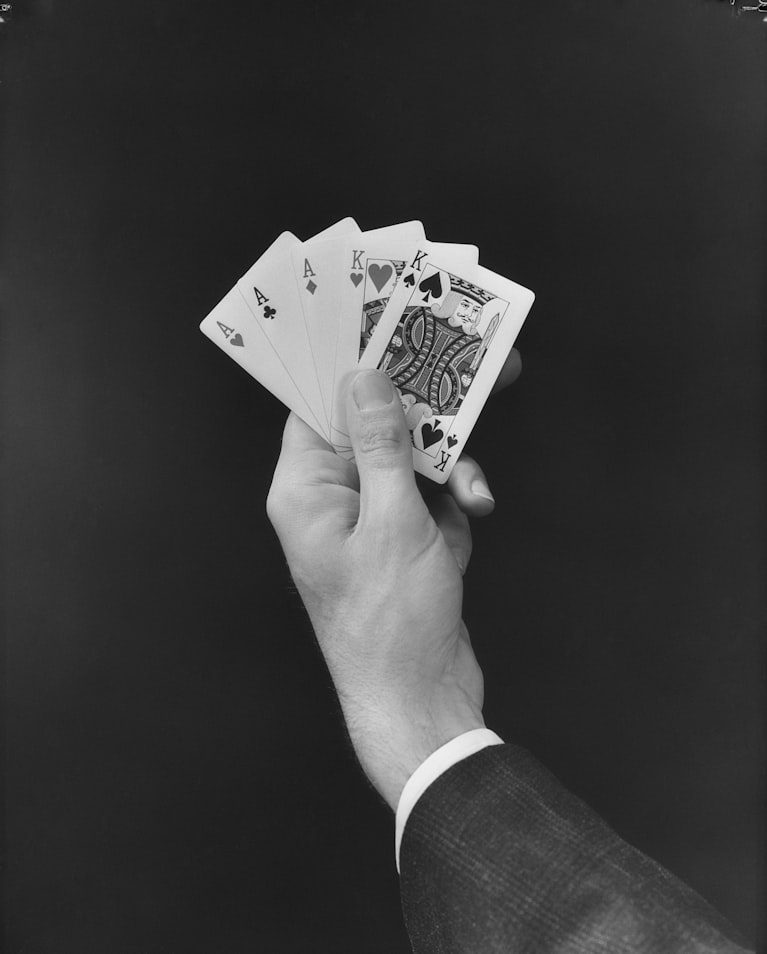
For instance, in ancient China, games resembling lottery systems were used to fund public projects, while in Mesopotamia, the casting of lots was often associated with decision-making in governance. This foundational period set the stage for the integration of chance and fate into human culture, marking gambling as a significant social and economic activity.
The Evolution of Gambling in the Middle Ages
As societies evolved, so did gambling practices. The Middle Ages witnessed a transformation in gambling, with the emergence of more structured games. Card games became popular in Europe, reflecting a shift from simple betting to games that involved strategy and skill. Gambling halls began to appear in cities, where individuals could congregate to place bets on games and events.
Additionally, the church’s stance on gambling varied, leading to periods of acceptance and strict prohibition. Despite the latter, underground gaming houses flourished, indicating a persistent human attraction to risk and reward. This era laid the groundwork for organized gambling, leading to the establishment of regulated games in the following centuries.
The Birth of Modern Casinos
The 17th century marked a significant turning point in the history of gambling with the establishment of the first official casinos. The Casino di Venezia, built in Italy, was one of the earliest gambling houses that offered a formal setting for various games. This innovation created a new social space where gambling became associated with leisure and luxury, attracting individuals from different walks of life.
As casinos spread throughout Europe, the games evolved, incorporating elements of skill and chance. The introduction of roulette, baccarat, and blackjack in the 18th century contributed to the sophistication of gambling establishments. These developments laid the groundwork for the glamorous casinos we recognize today, showcasing not only games of chance but also lavish dining and entertainment.
The Impact of Gambling on Society and Economy
Gambling has long had a dual impact on society, both positive and negative. Economically, the establishment of casinos and gaming industries has generated significant revenue and employment opportunities. In many regions, taxes levied on gambling operations contribute to public funding for education, infrastructure, and social services, highlighting its potential benefits.
Conversely, the social implications of gambling are complex. Issues such as addiction, financial instability, and crime associated with illegal gambling remain pressing concerns. This duality has led to ongoing discussions about responsible gambling practices and the importance of regulation to protect vulnerable populations while allowing for entertainment and economic benefits.

Exploring the Future of Gambling
As we navigate the modern landscape of gambling, online platforms have revolutionized the industry. With the rise of internet technology, players can now enjoy a plethora of games from the comfort of their homes. This shift not only reflects changing consumer preferences but also introduces new challenges in terms of regulation and fair play.
The current trend also indicates a move towards incorporating advanced techniques in gaming, such as virtual reality and artificial intelligence, enhancing the gambling experience. As we look ahead, the balance between enjoyment and responsible gaming will be crucial in shaping the future of this age-old practice, echoing its rich historical journey while adapting to contemporary needs.