Comprehensive Guidance on Sanctions and Export Controls for Global Trade

Comprehensive Guidance on Sanctions and Export Controls for Global Trade

Understanding Sanctions and Export Control Guidance for Global Operations

In an increasingly interconnected world, businesses face a complex landscape of regulations and compliance issues. One of the most critical areas requiring careful consideration is sanctions and export controls. Navigating these regulations is vital for maintaining global operations and creating sustainable business practices. For a more detailed overview, you can visit sanctions and export control guidance https://boyucapital.com/wp-includes/pages/sanctions-and-export-control-guidance-for-global-operations.html.
The Importance of Sanctions and Export Controls

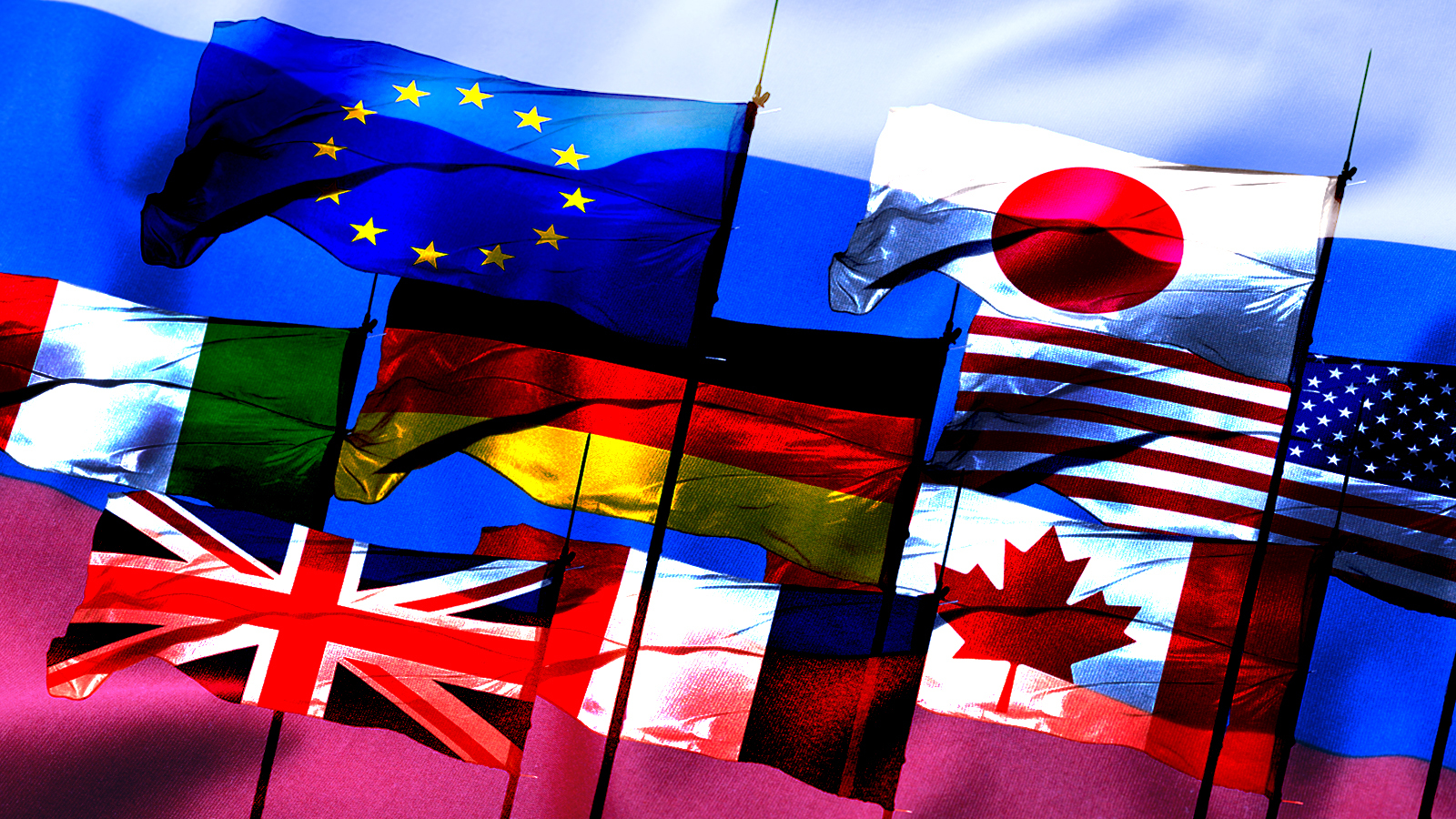
Sanctions are political tools used by governments to restrict trade with specific countries, entities, or individuals. These measures can arise from various geopolitical situations, including national security concerns, human rights violations, or terrorism. Export controls, on the other hand, are regulatory policies governing the export of sensitive technologies, goods, and services to prevent them from falling into the wrong hands.

As globalization expands trade relationships, the ramifications of disregarding sanctions and export controls have become increasingly severe. Violations can lead to hefty fines, legal ramifications, and irreparable damage to a company’s reputation. Understanding these regulations is not merely a compliance issue; it is a cornerstone of ethical business practice.

Key Components of Sanctions Regulations

Sanctions can vary in scope and enforcement, impacting how businesses operate internationally. There are several key components businesses should understand:

  • Types of Sanctions: These can be comprehensive sanctions that prohibit all trade with a country or targeted sanctions aimed at specific individuals or entities. Understanding the differences is crucial for compliance.
  • Authority Regulations: Different authorities impose sanctions, including the U.S. Office of Foreign Assets Control (OFAC), the United Nations, and the European Union. Companies must be aware of which sanctions apply to their operations based on jurisdiction.
  • Legal Consequences: Non-compliance can result in penalties, including hefty fines and restrictions on future trade. Legal consequences can also extend to individuals involved in the decision-making process.

Export Control Regulations Explained

Export control regulations aim to prevent sensitive technologies or goods from being exported to entities that pose a threat to national security or foreign policy interests. Here are essential aspects of export controls:

  • Identification of Controlled Items: Companies must be cognizant of which goods, services, or technologies are subject to export controls. This often requires detailed knowledge of product classifications.
  • End-Use and End-User Verification: Businesses must conduct due diligence on their customers to ensure compliance. Knowing how a product will be used and by whom is essential to avoid legal ramifications.
  • Licensing Requirements: Exporting controlled items may necessitate acquiring licenses from the relevant authorities. Understanding when licenses are required is fundamental to compliance.

Strategies for Compliance

Given the complexities surrounding sanctions and export controls, businesses must adopt comprehensive strategies to ensure compliance. Here are some best practices:

  1. Conduct Risk Assessments: Regularly assess your supply chain, customer base, and partnerships for potential risks related to sanctions and export controls.
  2. Implement Training Programs: Educate employees about the importance of compliance and how to recognize potential violations.
  3. Utilize Compliance Technology: Invest in software solutions that can help monitor transactions, assess risks, and maintain records necessary for audits and reporting.
  4. Engage Legal Expertise: Consult with legal experts who specialize in international trade laws and can provide guidance tailored to your business needs.

Conclusion

In the dynamic landscape of global trade, sanctions and export control regulations play a pivotal role in how businesses operate. The implications of overlooking these regulations can be significant, escalating from financial penalties to reputational damage. A robust understanding of sanctions and export controls, complemented by diligent compliance strategies, empowers businesses to navigate the international marketplace successfully. As trade continues to evolve, prioritizing compliance will not only safeguard your organization but also contribute to ethical practices in the global economy.

Comprehensive Guidance on Sanctions and Export Controls for Global Trade

Understanding Sanctions and Export Control Guidance for Global Operations

In an increasingly interconnected world, businesses face a complex landscape of regulations and compliance issues. One of the most critical areas requiring careful consideration is sanctions and export controls. Navigating these regulations is vital for maintaining global operations and creating sustainable business practices. For a more detailed overview, you can visit sanctions and export control guidance https://boyucapital.com/wp-includes/pages/sanctions-and-export-control-guidance-for-global-operations.html.

The Importance of Sanctions and Export Controls

Sanctions are political tools used by governments to restrict trade with specific countries, entities, or individuals. These measures can arise from various geopolitical situations, including national security concerns, human rights violations, or terrorism. Export controls, on the other hand, are regulatory policies governing the export of sensitive technologies, goods, and services to prevent them from falling into the wrong hands.

As globalization expands trade relationships, the ramifications of disregarding sanctions and export controls have become increasingly severe. Violations can lead to hefty fines, legal ramifications, and irreparable damage to a company’s reputation. Understanding these regulations is not merely a compliance issue; it is a cornerstone of ethical business practice.

Key Components of Sanctions Regulations

Sanctions can vary in scope and enforcement, impacting how businesses operate internationally. There are several key components businesses should understand:

  • Types of Sanctions: These can be comprehensive sanctions that prohibit all trade with a country or targeted sanctions aimed at specific individuals or entities. Understanding the differences is crucial for compliance.
  • Authority Regulations: Different authorities impose sanctions, including the U.S. Office of Foreign Assets Control (OFAC), the United Nations, and the European Union. Companies must be aware of which sanctions apply to their operations based on jurisdiction.
  • Legal Consequences: Non-compliance can result in penalties, including hefty fines and restrictions on future trade. Legal consequences can also extend to individuals involved in the decision-making process.

Export Control Regulations Explained

Export control regulations aim to prevent sensitive technologies or goods from being exported to entities that pose a threat to national security or foreign policy interests. Here are essential aspects of export controls:

  • Identification of Controlled Items: Companies must be cognizant of which goods, services, or technologies are subject to export controls. This often requires detailed knowledge of product classifications.
  • End-Use and End-User Verification: Businesses must conduct due diligence on their customers to ensure compliance. Knowing how a product will be used and by whom is essential to avoid legal ramifications.
  • Licensing Requirements: Exporting controlled items may necessitate acquiring licenses from the relevant authorities. Understanding when licenses are required is fundamental to compliance.

Strategies for Compliance

Given the complexities surrounding sanctions and export controls, businesses must adopt comprehensive strategies to ensure compliance. Here are some best practices:

  1. Conduct Risk Assessments: Regularly assess your supply chain, customer base, and partnerships for potential risks related to sanctions and export controls.
  2. Implement Training Programs: Educate employees about the importance of compliance and how to recognize potential violations.
  3. Utilize Compliance Technology: Invest in software solutions that can help monitor transactions, assess risks, and maintain records necessary for audits and reporting.
  4. Engage Legal Expertise: Consult with legal experts who specialize in international trade laws and can provide guidance tailored to your business needs.

Conclusion

In the dynamic landscape of global trade, sanctions and export control regulations play a pivotal role in how businesses operate. The implications of overlooking these regulations can be significant, escalating from financial penalties to reputational damage. A robust understanding of sanctions and export controls, complemented by diligent compliance strategies, empowers businesses to navigate the international marketplace successfully. As trade continues to evolve, prioritizing compliance will not only safeguard your organization but also contribute to ethical practices in the global economy.

Registration

Forgotten Password?